1. Real-Time Market: Gold Breaks $4700, Silver Rebounds Strongly
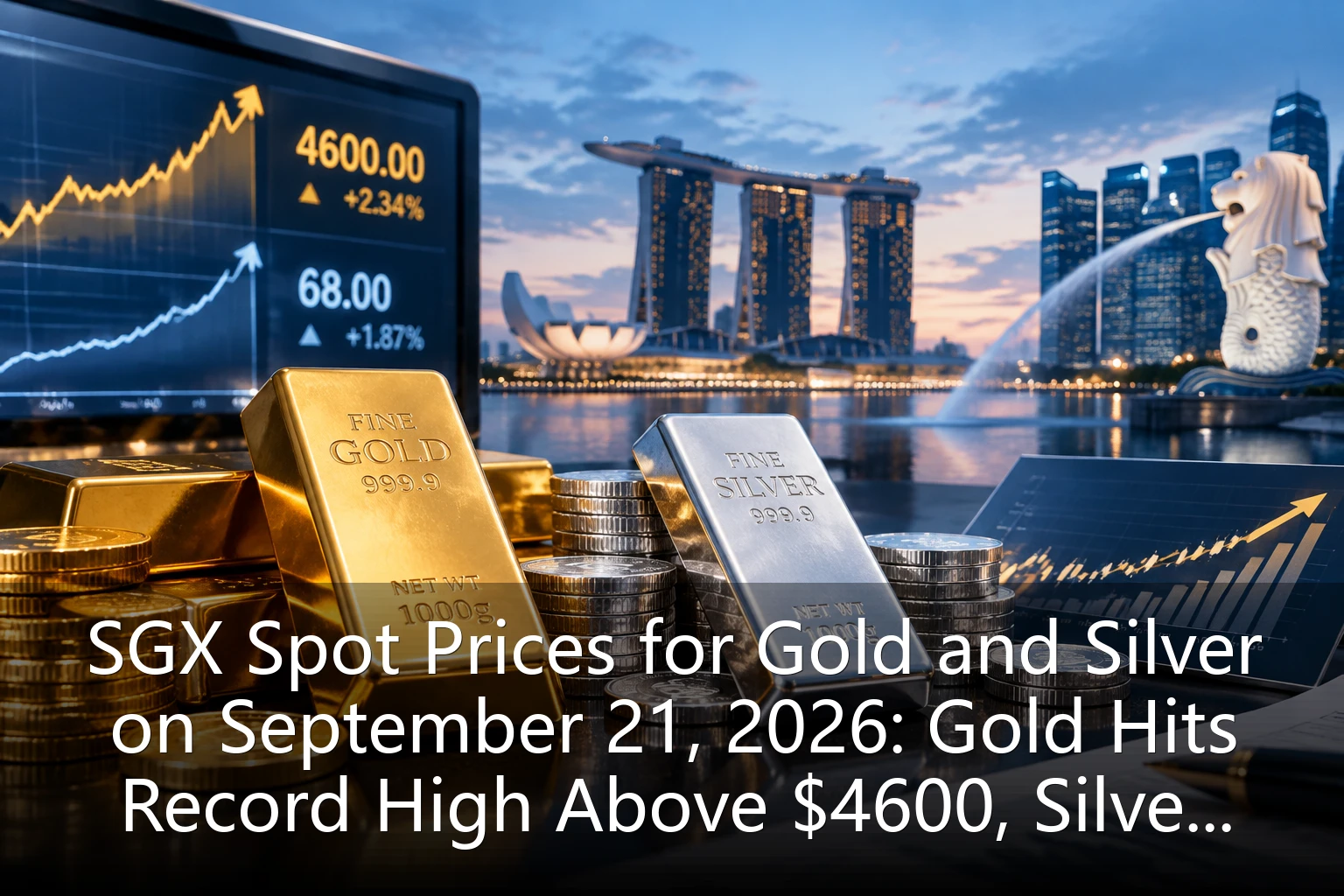
On September 22, 2026, Singapore's SGX precious metals market witnessed a historic moment as gold hit $4700/oz, an all-time high, up 1.8% from the previous trading day; silver rose 2.5% to $68.5/oz, a three-month high. This rally was driven by multiple factors: rising geopolitical risks, increasing inflation expectations, and ongoing central bank gold purchases.
1.1 Gold Price: Drivers Behind the All-Time High
The gold price breakthrough was first fueled by geopolitical uncertainty. Recent Middle East tensions and the ongoing European energy crisis have sharply increased market risk aversion. Meanwhile, the Fed's rate hike cycle is nearing its end, with expectations of stable or even lower rates, reducing the opportunity cost of holding gold. Additionally, global central bank gold purchases continue; according to IMF data, global central bank gold reserves increased by 150 tons in H1 2026, with emerging markets contributing most, providing strong support for gold prices.
1.2 Silver Price: Inventory Drop Triggers Surge in Delivery Premium
Silver, rising in tandem with gold, has more complex drivers. On one hand, industrial demand for silver is recovering, especially from the photovoltaic (PV) and 5G sectors, boosting physical demand. On the other hand, the sharp drop in SGX silver inventory has become a focal point. As of September 22, SGX silver inventory fell 20% to 150 tons, a two-year low. The reduction caused the physical delivery premium to surge to $1.5/oz, up 30% from the previous week—the highest in five years. This surge reflects market concerns about silver's physical supply and increased investor demand for physical silver.
2. Inventory and Delivery: SGX Silver Inventory in Short Supply, Supply-Demand Imbalance Highlights
As a key global precious metals delivery center, SGX's inventory data is crucial for assessing market supply-demand. Data from September 22 shows SGX silver inventory decreased by 30 tons (20%) from the previous week, while gold inventory remained stable at ~120 tons. This indicates a more pronounced supply-demand imbalance for silver than gold.
2.1 Reasons for Silver Inventory Drop
- Industrial Demand Recovery: PV industry expansion is the main driver of silver demand. Global PV installations are expected to reach 300GW in 2026, up 15% YoY, requiring large amounts of silver for solar panel production. Additionally, 5G base station proliferation increases silver demand, with each base station needing ~1kg of silver.
- Increased Investor Physical Demand: As silver prices rise, more investors are buying physical silver, especially those using SGX for delivery. This physical demand depletes inventory.
- Supply Contraction: Global silver mine output has been stable in recent years, with limited new capacity, while recycled silver supply is constrained by rising recycling costs, leading to slow overall supply growth.
2.2 Meaning of Delivery Premium
Delivery Premium (Physical Premium) is the extra fee investors pay for physical precious metals, reflecting supply tightness. The surge in SGX silver delivery premium indicates that physical demand exceeds supply, with investors willing to pay more for physical silver. This premium typically appears when supply is expected to be tight or demand surges, serving as a key indicator of market sentiment.
3. Market Drivers: Resonance of Geopolitical Risks and Inflation Expectations
The rise in gold and silver prices is driven by multiple factors: geopolitical risks, inflation expectations, central bank gold purchases, and industrial demand.
3.1 Geopolitical Risks: Catalyst for Risk Aversion
Recent Middle East tensions and the ongoing European energy crisis have sharply increased market risk aversion. As a traditional safe-haven asset, gold demand naturally rises. Silver also has safe-haven properties, especially when geopolitical risks escalate, with investors buying both gold and silver to diversify risk.
3.2 Inflation Expectations: Decline in Real Interest Rates
Rising inflation expectations lead to a decline in real interest rates (nominal rate minus inflation). Lower real rates reduce the opportunity cost of holding gold, as gold doesn't yield interest, but a lower real rate means less loss from holding gold. Additionally, rising inflation expectations prompt investors to buy precious metals to hedge against inflation.
3.3 Central Bank Gold Purchases: Long-Term Support
Global central bank gold purchases continue, especially by emerging markets like China, India, and Russia. According to the World Gold Council, global central bank gold reserves increased by 150 tons in H1 2026, with China adding 50 tons, India 30 tons, and Russia 20 tons. Central bank gold buying provides long-term support for gold prices, as their demand is stable and unlikely to sell.
3.4 Industrial Demand: Additional Driver for Silver
Silver's industrial demand is unique to it, a key reason silver can follow gold's rise. Growth in PV and 5G sectors boosts physical silver demand, which is persistent and not affected by geopolitical risks or inflation expectations. Thus, silver prices are influenced by both risk aversion and industrial demand, making its trend more complex but with greater potential.
4. Investment Strategies: Using SGX Data to Formulate Trading Strategies
For investors, SGX inventory and delivery premium data are key references for trading strategies. Here are practical strategies:
4.1 Monitor Inventory Changes: Buy When Inventory Drops
When SGX silver inventory drops, it indicates increased physical demand, so buying silver is advisable. Inventory drops lead to rising delivery premiums, pushing prices up. For example, on September 22, SGX silver inventory dropped 20%, making it a good time to buy silver for potential gains.
4.2 Utilize Delivery Premium: Sell When Premium Is High
When the delivery premium is too high, it suggests overconcern about supply, so selling silver and waiting for the premium to fall is an option. For example, if the premium exceeds $1.5, consider selling, as premiums rarely stay high and will fall as supply increases.
4.3 Combine Fund Flows: Follow When Funds Inflow
SGX fund flow data is also important. When funds flow into SGX's precious metals market, it indicates increased investor demand, so buying gold and silver is advisable. For example, if inflows increase for three consecutive days, consider buying.
4.4 Diversify: Gold and Silver Portfolio
While gold and silver trends are correlated, they differ. Gold is mainly influenced by risk aversion and central bank purchases, while silver is affected by industrial demand and inventory changes. Thus, investors can hold both to diversify risk. For example, a 70% gold and 30% silver portfolio balances risk and return.
5. Future Outlook: Gold and Silver Prices to Remain Strong
Looking ahead, gold and silver prices are expected to stay strong, based on several factors:
- Persistent Geopolitical Risks: Resolving Middle East tensions and the European energy crisis will take time, so risk aversion won't fade soon.
- Elevated Inflation Expectations: Global inflation remains high, keeping real interest rates low and supporting gold prices.
- Continued Central Bank Gold Purchases: Emerging markets will continue increasing gold reserves, supporting gold prices.
- Growing Industrial Demand: PV and 5G sector growth will continue boosting silver demand, supporting silver prices.
Of course, risks like a sudden Fed rate hike or easing geopolitical risks could cause price corrections. Overall, gold and silver prices are expected to remain strong, and investors can continue monitoring SGX inventory and delivery premium data to seize opportunities.